
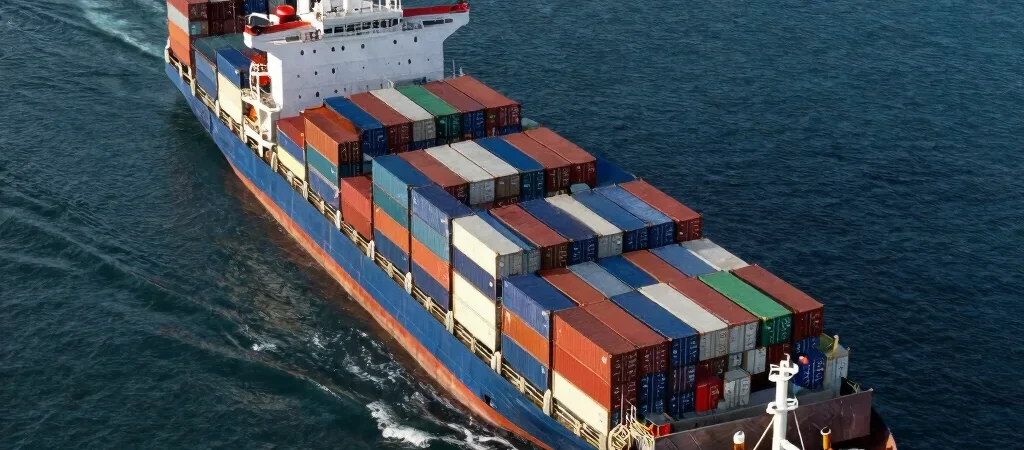
Ocean shipping lines have adjusted to long-term detours around the Cape of Good Hope, bringing predictable pricing back to international trade routes. After months of fluctuating spot rates and delayed arrivals, maritime logistics companies report steady vessel schedules and balanced container capacity. The stabilization offers critical predictability for global supply chain managers preparing for peak seasonal shipping.
Carriers Realign Routes and Fleet Capacity
To compensate for the longer transit times around southern Africa, container lines deployed extra vessels and increased cruising speeds along key lanes. This operational recalibration absorbed excess global shipping capacity while preventing widespread port congestion in Western Europe and the US East Coast. Supply chain analysts note that transit schedules are now consistent, albeit seven to ten days longer than historical averages.
Importers Adopt Buffer Strategies for Inventory Management
Rather than relying on tight just-in-time delivery models, major retailers have permanently adjusted lead times for imported components and finished goods. Early ordering patterns and increased regional warehousing have mitigated the impact of extended sea voyages on consumer availability. Industry executives emphasize that operational predictability remains far more valuable than marginal improvements in transit speed.